
Flexing Freedom: The Surprising Benefits of Elbow Replacement In the realm of orthopedic surgery, advancements continually push the boundaries of what was once thought possible. While hip and knee replacements often steal the spotlight, there’s a joint that plays a crucial role in our daily lives yet receives less attention: the elbow. Elbow replacement surgery, though less common, offers remarkable benefits for those suffering from debilitating elbow conditions. Let’s delve into the world of elbow replacements and uncover the surprising freedoms they provide. Understanding Elbow Replacement Elbow replacement, also known as total elbow arthroplasty, is a surgical procedure designed to relieve pain and restore function to severely damaged elbow joints. Conditions such as osteoarthritis, rheumatoid arthritis, severe fractures, and post-traumatic arthritis can severely compromise elbow function, leading to debilitating pain and restricted movement. The Procedure During elbow replacement surgery, the damaged parts of the elbow joint are replaced with artificial components made of metal and plastic. The procedure involves removing damaged bone and cartilage and replacing them with prosthetic components. This restores smooth movement and reduces pain, enabling patients to regain functionality in their arms. Benefits of Elbow Replacement Pain Relief One of the most significant benefits of elbow replacement surgery is the relief from chronic pain. For individuals suffering from severe elbow conditions, even simple tasks like lifting a cup or turning a doorknob can be excruciating. Elbow replacement surgery effectively alleviates this pain, allowing patients to enjoy a better quality of life. Improved Range of Motion A compromised elbow joint can severely limit movement, hindering daily activities and affecting overall mobility. With elbow replacement surgery, patients experience a significant improvement in range of motion, enabling them to perform tasks with greater ease and flexibility. Enhanced Functionality Elbow replacements not only relieve pain but also restore functionality to the joint. Whether it’s performing household chores, participating in sports, or pursuing hobbies, patients find newfound freedom in their ability to use their arms without limitations. Long-term Durability Advances in orthopedic technology have led to the development of highly durable prosthetic components. Elbow replacements are designed to withstand the rigors of daily use, providing long-lasting relief and functionality for patients. Enhanced Quality of Life Perhaps the most profound benefit of elbow replacement surgery is the improvement in overall quality of life. Freed from the shackles of chronic pain and limited mobility, patients can once again engage in activities they love and enjoy a more active, fulfilling lifestyle. Why Choose Us At Fortis Hospital Mohali, we specialize in comprehensive orthopedic treatment services, including advanced procedures like elbow replacement surgery. Dr. Ritesh Khokhar, with his extensive training and expertise, leads our team in delivering exceptional care to patients seeking relief from elbow conditions. As a member of prestigious organizations such as the Indian Orthopedic Association, The Royal College of Surgeons (UK), the Arthroscopy Association of North America, and the Orthopedic Trauma Association (USA), Dr. Khokhar brings a wealth of knowledge and experience to every patient interaction. Conclusion Elbow replacement surgery offers a lifeline to individuals suffering from debilitating elbow conditions, providing them with pain relief, improved functionality, and a renewed sense of freedom. At Fortis Hospital Mohali, we are committed to delivering superior orthopedic care, ensuring that our patients receive the best possible outcomes. If you’re experiencing elbow pain or restricted mobility, don’t hesitate to contact us to explore your treatment options. Rediscover the joy of movement with elbow replacement surgery and experience the freedom it brings. Featured Services Shoulder UK-USA trained orthopaedist. Elbow Arthritis causes elbow stiffness. Hip Hip strain stretches muscles. Knee ACL stabilizes knee joint. Ankle Ankle impingement pain.
Mastering Mobility: A Guide to Preparing for Elbow Replacement Surgery
Mastering Mobility: A Guide to Preparing for Elbow Replacement Surgery Welcome to our comprehensive guide on preparing for elbow replacement surgery. Whether you’re suffering from severe arthritis, a traumatic injury, or another condition affecting your elbow joint, this surgery can significantly improve your mobility and quality of life. As a leading orthopedic surgeon with extensive experience in the UK and USA, I, Dr. Ritesh Khokhar, am excited to share insights and advice to help you navigate this important journey towards regaining function and comfort in your elbow joint. Understanding Elbow Replacement Surgery Elbow replacement surgery, also known as total elbow arthroplasty, is a procedure performed to replace a damaged or diseased elbow joint with an artificial implant. It is typically recommended for patients who have advanced arthritis, significant joint pain, limited mobility, or failed previous treatments such as medications and physical therapy. Preparation Phase Preparing for elbow replacement surgery involves several key steps to ensure optimal outcomes and a smooth recovery process: Consultation and Evaluation Schedule a consultation with an orthopedic surgeon specializing in elbow surgery, such as myself. During this appointment, we will review your medical history, conduct a physical examination, and may order additional tests such as X-rays or MRI scans to assess the extent of damage to your elbow joint. Education and Counseling I believe in empowering my patients with knowledge and understanding of their condition and treatment options. I will take the time to explain the procedure, potential risks and benefits, expected outcomes, and what to expect during the recovery process. This ensures that you can make informed decisions and feel confident about proceeding with surgery. Preoperative Optimization In the weeks leading up to your surgery, we will work together to optimize your overall health and prepare you for the procedure. This may involve managing any underlying medical conditions, such as diabetes or high blood pressure, quitting smoking, and adjusting medications as necessary. Physical Therapy Engaging in preoperative physical therapy exercises can help strengthen the muscles surrounding your elbow joint, improve range of motion, and enhance overall joint function. Your physical therapist will tailor a personalized exercise program to address your specific needs and goals. Lifestyle Modifications Making certain lifestyle modifications, such as maintaining a healthy diet, staying hydrated, and getting adequate rest, can help support your body’s healing process and promote a successful recovery following surgery. Surgical Procedure On the day of your surgery, you will be admitted to the hospital or surgical center, where our team will ensure that you are comfortable and well-prepared for the procedure. Elbow replacement surgery is typically performed under general anesthesia, and involves removing the damaged portions of the elbow joint and replacing them with artificial components made of metal and plastic. Recovery and Rehabilitation After surgery, you will spend some time in the hospital recovering before being discharged home. Our team will provide you with detailed instructions on wound care, pain management, and activity restrictions to follow during the initial recovery period. Physical therapy will play a crucial role in your rehabilitation, helping you regain strength, flexibility, and function in your elbow joint. Follow-Up Care Regular follow-up appointments will be scheduled to monitor your progress, assess your range of motion and joint function, and address any concerns or complications that may arise. I am committed to providing ongoing support and guidance to ensure that you achieve the best possible outcome and enjoy long-term success with your elbow replacement. Conclusion Elbow replacement surgery can be a life-changing procedure for individuals suffering from debilitating elbow pain and dysfunction. By taking a proactive approach to preparation, undergoing surgery with a skilled and experienced orthopedic surgeon, and committing to comprehensive rehabilitation, you can master mobility and reclaim your quality of life. If you have any questions or would like to schedule a consultation, please don’t hesitate to contact us at Fortis Hospital Mohali. We are here to help you every step of the way on your journey to optimal elbow health and function. Remember, your mobility matters, and we’re here to help you master it. Dr. Ritesh Khokhar Orthopedic Surgeon Fortis Hospital Mohali Sector 62, Sahibzada Ajit Singh Nagar Lamba, Punjab 160062 Phone: +91 7087274019 Featured Services Shoulder UK-USA trained orthopaedist. Elbow Arthritis causes elbow stiffness. Hip Hip strain stretches muscles. Knee ACL stabilizes knee joint. Ankle Ankle impingement pain.
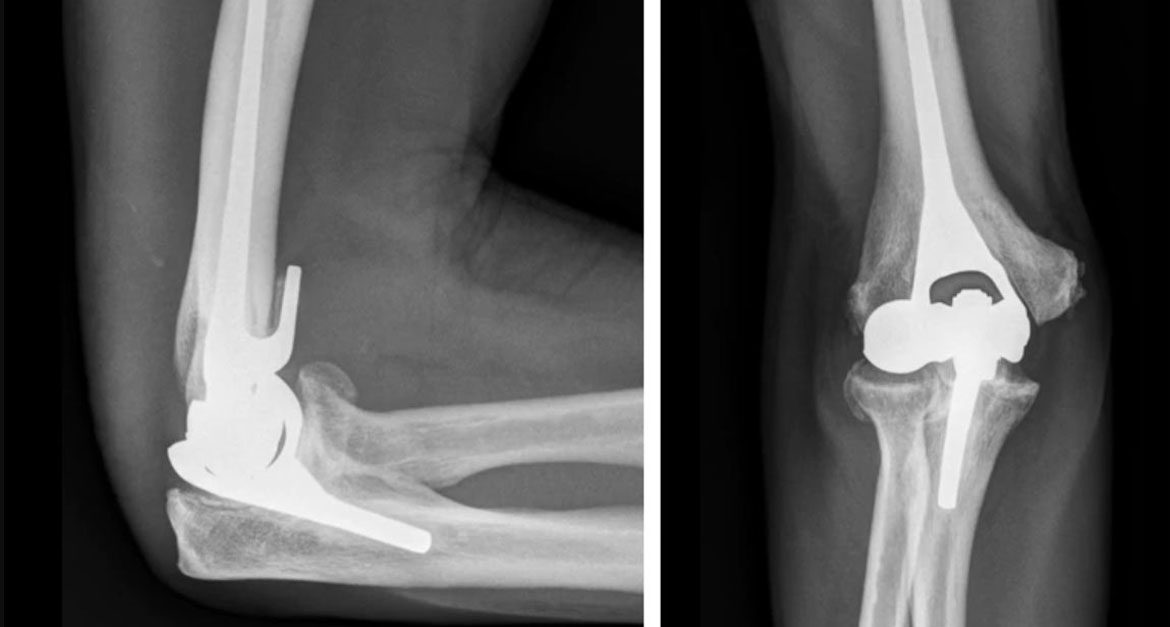
Revitalize Your Range: Navigating Elbow Replacement Surgery & Recovery Roadmap
Revitalize Your Range: Navigating Elbow Replacement Surgery & Recovery Roadmap Welcome to our blog at Fortis Hospital Mohali, where we’re dedicated to providing cutting-edge orthopedic treatments and services. Today, we delve into a crucial aspect of orthopedic surgery – elbow replacement. Led by Dr. Ritesh Khokhar, a seasoned orthopedic surgeon with extensive training and international experience, our team specializes in restoring mobility and improving quality of life for our patients. Understanding Elbow Replacement Surgery Elbow replacement surgery, also known as total elbow arthroplasty, is a procedure aimed at relieving pain and restoring function in severely damaged elbow joints. Conditions such as rheumatoid arthritis, osteoarthritis, traumatic injuries, and failed previous surgeries may necessitate this intervention. During the procedure, the damaged parts of the elbow joint are replaced with artificial components made of metal and plastic, mimicking the natural movement of the joint. Indications for Elbow Replacement Patients experiencing persistent pain, stiffness, and limited mobility despite conservative treatments may benefit from elbow replacement surgery. It’s essential to undergo a thorough evaluation by a skilled orthopedic surgeon to determine the appropriateness of this procedure based on individual circumstances and medical history. The Recovery Roadmap Recovery from elbow replacement surgery requires patience, dedication, and adherence to a structured rehabilitation program. Here’s a roadmap to guide you through the recovery process: Postoperative Care Following surgery, patients typically stay in the hospital for a few days under close monitoring. Pain management, wound care, and early mobilization are key priorities during this phase. Physical Therapy Soon after discharge, patients begin physical therapy sessions aimed at restoring range of motion, strength, and function in the elbow joint. A customized rehabilitation plan, tailored to the patient’s specific needs, is essential for optimal outcomes. Gradual Return to Activities As the healing progresses, patients gradually resume daily activities and gentle exercises under the guidance of their physical therapist. It’s crucial to avoid excessive strain or overloading the elbow joint during this phase to prevent complications. Long-Term Follow-Up Regular follow-up appointments with your orthopedic surgeon allow for monitoring of progress, addressing any concerns, and adjusting the rehabilitation plan as needed. Staying committed to long-term care ensures continued improvement and enhances the durability of the elbow replacement. Why Choose Fortis Hospital Mohali ? At Fortis Hospital Mohali, we pride ourselves on delivering comprehensive orthopedic care backed by expertise, innovation, and compassion. Dr. Ritesh Khokhar and our multidisciplinary team are committed to providing personalized treatment solutions tailored to each patient’s unique needs. With state-of-the-art facilities and a patient-centric approach, we aim to revitalize your range and restore function, enabling you to live life to the fullest. Conclusion Elbow replacement surgery offers hope for individuals suffering from debilitating elbow conditions, allowing them to regain mobility and independence. By partnering with a skilled orthopedic surgeon and following a structured recovery roadmap, patients can navigate the journey towards renewed vitality and improved quality of life. At Fortis Hospital Mohali, we’re dedicated to guiding you every step of the way on your path to recovery. Contact us today to learn more about our orthopedic treatment services and schedule a consultation with Dr. Ritesh Khokhar. For more information or to schedule an appointment, please visit our website or contact us at +91 7087274019. Your journey to revitalized range starts here! Featured Services Shoulder UK-USA trained orthopaedist. Elbow Arthritis causes elbow stiffness. Hip Hip strain stretches muscles. Knee ACL stabilizes knee joint. Ankle Ankle impingement pain.
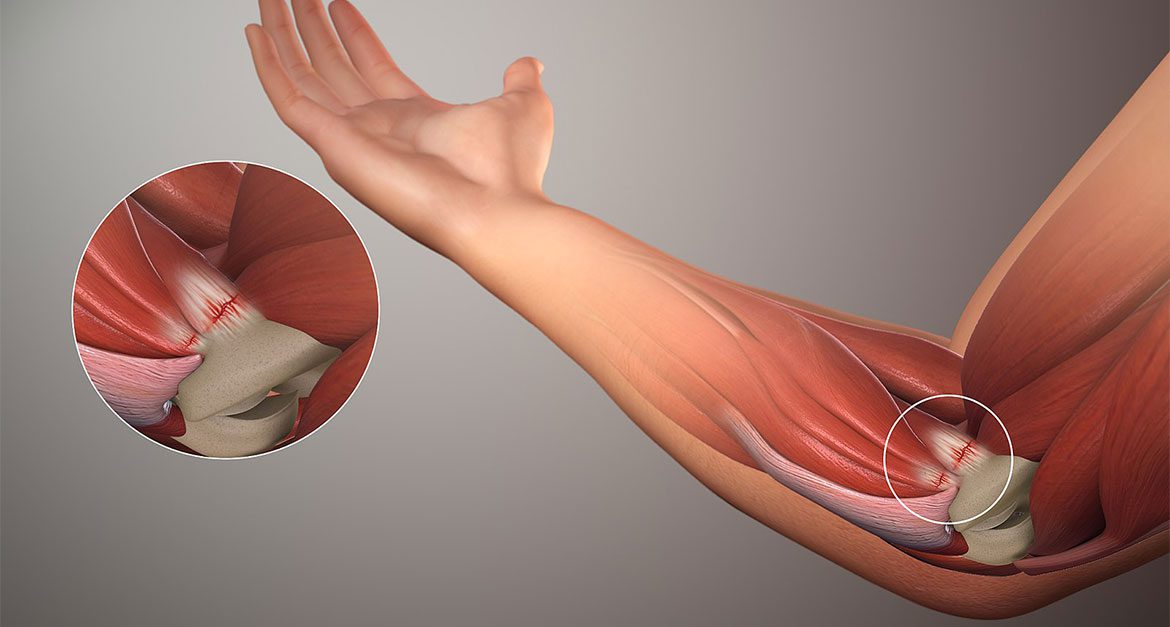
Reviving Mobility: Navigating Life After Elbow Replacement
Reviving Mobility: Navigating Life After Elbow Replacement Living with elbow pain and restricted mobility can significantly impact one’s quality of life, hindering daily activities and diminishing overall well-being. However, advancements in orthopedic surgery, particularly elbow replacement procedures, offer a ray of hope for individuals struggling with severe elbow issues. As a renowned orthopedic surgeon with extensive expertise in the field, Dr. Ritesh Khokhar, based at Fortis Hospital Mohali in Chandigarh, brings forth a comprehensive range of orthopedic treatment services, including elbow replacement surgeries. In this article, we delve into the transformative journey of regaining mobility and independence after undergoing elbow replacement surgery. Understanding Elbow Replacement Elbow replacement, also known as total elbow arthroplasty, is a surgical procedure aimed at relieving pain and restoring function in severely damaged elbow joints. This procedure involves removing the damaged parts of the elbow joint and replacing them with artificial components made of metal and plastic. It is typically recommended for individuals suffering from conditions such as severe arthritis, fractures, or failed previous elbow surgeries. Preparation and Procedure Before undergoing elbow replacement surgery, patients undergo a thorough evaluation to assess their overall health and suitability for the procedure. Dr. Ritesh Khokhar, with his expertise and experience, ensures personalized care and guidance throughout the pre-operative phase. During the procedure, advanced surgical techniques are employed to optimize outcomes while minimizing risks and complications. Dr. Khokhar utilizes state-of-the-art facilities at Fortis Hospital Mohali to deliver exceptional surgical care tailored to each patient’s needs. Rehabilitation and Recovery Following elbow replacement surgery, rehabilitation plays a crucial role in the recovery process. Dr. Ritesh Khokhar and his dedicated team provide comprehensive post-operative care, including physical therapy and rehabilitation exercises. These interventions are designed to improve strength, flexibility, and range of motion in the newly replaced elbow joint. With expert guidance and support, patients gradually regain mobility and functionality, paving the way for a fulfilling life post-surgery. Restoring Quality of Life The ultimate goal of elbow replacement surgery is to restore quality of life for individuals suffering from debilitating elbow conditions. Dr. Ritesh Khokhar’s holistic approach to orthopedic care encompasses not only surgical expertise but also compassionate support and personalized attention. Through a combination of advanced surgical techniques, comprehensive rehabilitation, and patient-centered care, Dr. Khokhar empowers his patients to reclaim their mobility and independence, enabling them to navigate life with renewed vigor and vitality. Conclusion Elbow replacement surgery represents a transformative solution for individuals grappling with severe elbow pain and dysfunction. Under the expert guidance of Dr. Ritesh Khokhar at Fortis Hospital Mohali, patients embark on a journey towards enhanced mobility and improved quality of life. By leveraging cutting-edge technology, personalized care, and a multidisciplinary approach, Dr. Khokhar strives to redefine orthopedic treatment standards, offering hope and healing to individuals seeking relief from elbow-related ailments. If you’re ready to take the first step towards regaining mobility and revitalizing your life, schedule a consultation with Dr. Ritesh Khokhar today. Your journey to renewed mobility begins here. For appointments and inquiries, please contact Fortis Hospital Mohali at +91 7087274019. Featured Services Shoulder UK-USA trained orthopaedist. Elbow Arthritis causes elbow stiffness. Hip Hip strain stretches muscles. Knee ACL stabilizes knee joint. Ankle Ankle impingement pain.
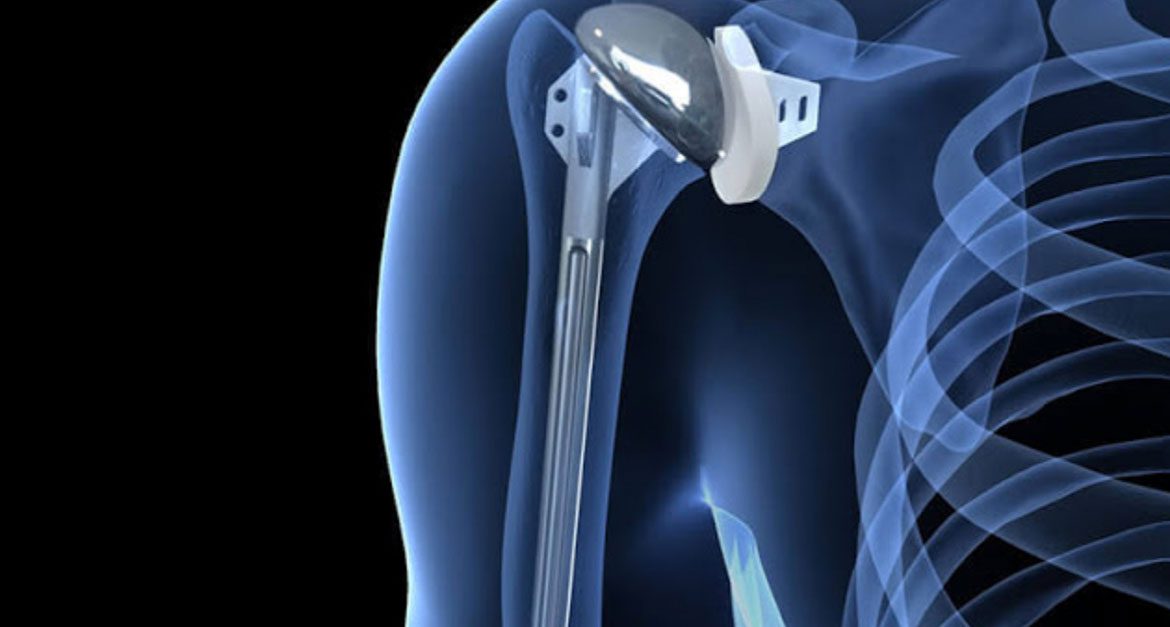
Revolutionizing Mobility: The Art of Shoulder Replacement Surgery
Revolutionizing Mobility: The Art of Shoulder Replacement Surgery Welcome to the forefront of orthopedic innovation! At Fortis Hospital Mohali, we take pride in revolutionizing mobility through advanced surgical techniques. Among these, shoulder replacement surgery stands out as a transformative procedure, offering renewed freedom of movement and improved quality of life for our patients. In this article, we delve into the intricacies of this remarkable surgical artistry. Understanding Shoulder Replacement Surgery The shoulder joint is one of the most complex in the human body, allowing for a wide range of motion. However, conditions such as osteoarthritis, rheumatoid arthritis, and traumatic injuries can severely compromise its function, leading to debilitating pain and limited mobility. Shoulder replacement surgery, also known as shoulder arthroplasty, is a highly effective solution for restoring function and alleviating discomfort in such cases. The Procedure Under the expert guidance of Dr. Ritesh Khokhar and our experienced team, shoulder replacement surgery is performed with precision and care. The procedure involves replacing damaged or diseased parts of the shoulder joint with prosthetic components, thereby restoring smooth movement and reducing pain. Depending on the specific needs of the patient, different types of shoulder replacements may be recommended, including total shoulder replacement, partial shoulder replacement, or reverse shoulder replacement. Advancements in Technique As a leading orthopedic specialist trained in the UK and USA, Dr. Khokhar brings a wealth of expertise to the field of shoulder replacement surgery. With a commitment to staying at the forefront of medical advancements, our team utilizes state-of-the-art techniques and technologies to ensure optimal outcomes for our patients. From minimally invasive approaches to computer-assisted navigation systems, we leverage the latest innovations to enhance surgical precision and accelerate recovery times. Benefits of Shoulder Replacement Surgery The benefits of shoulder replacement surgery are profound and multifaceted. By relieving pain and restoring mobility, patients can experience a significant improvement in their quality of life. Whether it’s regaining the ability to perform daily activities without discomfort or returning to favorite hobbies and sports, the impact of this procedure extends far beyond the operating room. Moreover, with proper post-operative rehabilitation and ongoing care, the results of shoulder replacement surgery can be long-lasting and transformative. Comprehensive Orthopedic Care At Fortis Hospital Mohali, we offer a complete range of orthopedic treatment services, encompassing both surgical and non-surgical interventions. From initial consultation and diagnosis to personalized treatment plans and comprehensive rehabilitation programs, our goal is to provide holistic care that addresses the unique needs of each patient. With a focus on excellence and compassion, we strive to empower individuals to regain their mobility and live life to the fullest. Conclusion In the realm of orthopedic surgery, shoulder replacement surgery represents a remarkable advancement in restoring mobility and alleviating pain. Under the expert guidance of Dr. Ritesh Khokhar and our dedicated team, patients can trust in the highest standards of care and expertise. If you or a loved one is struggling with shoulder pain or limited mobility, we invite you to schedule a consultation to explore the possibilities of shoulder replacement surgery. Together, we can embark on a journey towards enhanced mobility, vitality, and well-being. Featured Services Shoulder UK-USA trained orthopaedist. Elbow Arthritis causes elbow stiffness. Hip Hip strain stretches muscles. Knee ACL stabilizes knee joint. Ankle Ankle impingement pain.
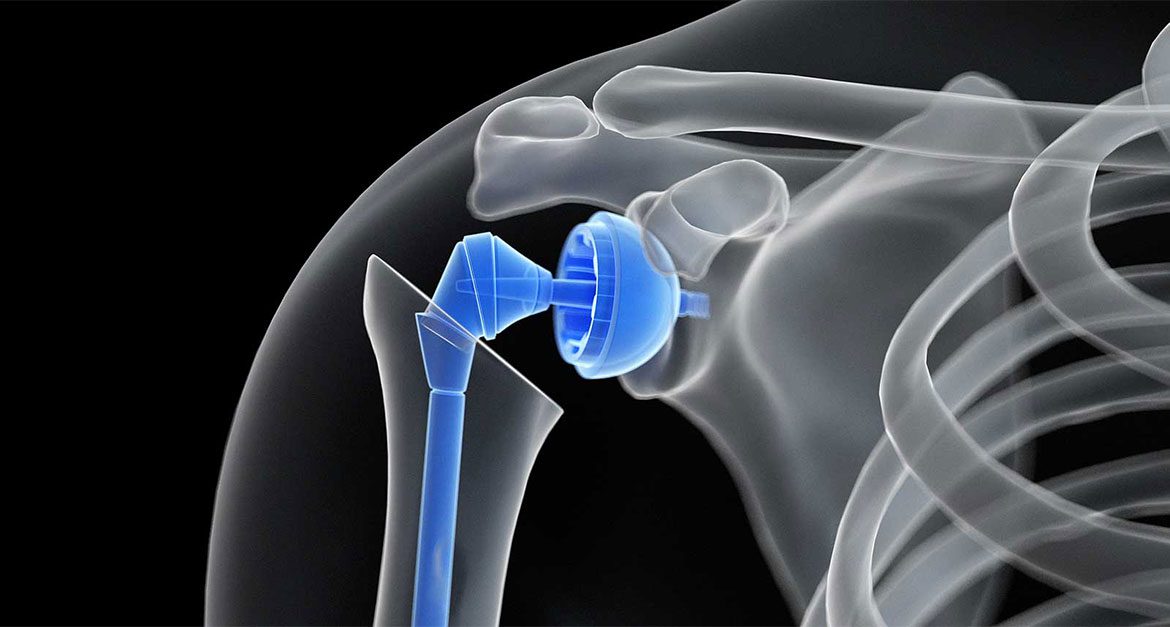
Shoulder Rejuvenation: Exploring the Unique Benefits of Shoulder Replacement Surgery
Shoulder Rejuvenation: Exploring the Unique Benefits of Shoulder Replacement Surgery Shoulder pain and limited mobility can significantly impact one’s quality of life, hindering everyday activities and diminishing overall well-being. Whether caused by degenerative conditions like osteoarthritis, traumatic injuries, or other orthopedic issues, persistent shoulder discomfort can be debilitating. Fortunately, advancements in orthopedic surgery offer effective solutions, with shoulder replacement surgery emerging as a transformative option for individuals seeking relief from chronic shoulder problems. As a renowned orthopedic surgeon with extensive experience and a commitment to excellence, Dr. Ritesh Khokhar is dedicated to providing comprehensive orthopedic care, including cutting-edge shoulder replacement procedures. With specialized training from esteemed institutions in the UK and USA, Dr. Khokhar brings a wealth of knowledge and expertise to Fortis Hospital Mohali in Chandigarh, India, where patients can access world-class treatment tailored to their individual needs. Shoulder replacement surgery, also known as shoulder arthroplasty, is a procedure aimed at restoring function and alleviating pain in the shoulder joint by replacing damaged or diseased parts with artificial components. While commonly associated with knee and hip replacements, advancements in implant technology and surgical techniques have made shoulder replacement increasingly viable and beneficial for patients with debilitating shoulder conditions. One of the unique benefits of shoulder replacement surgery lies in its ability to address a wide range of shoulder problems, including severe arthritis, rotator cuff tears, and fractures, among others. By replacing damaged bone and cartilage with prosthetic components, this procedure can significantly improve joint function, reduce pain, and enhance overall mobility, allowing patients to regain independence and resume their daily activities with ease. Moreover, shoulder replacement surgery offers personalized solutions tailored to each patient’s specific condition and lifestyle requirements. Whether opting for a traditional total shoulder replacement or a more specialized procedure like reverse shoulder replacement for complex cases, Dr. Khokhar utilizes advanced diagnostic tools and surgical techniques to optimize outcomes and ensure long-term success. For individuals experiencing persistent shoulder pain and limited mobility despite conservative treatments, shoulder replacement surgery may offer a life-changing solution. By entrusting their care to Dr. Ritesh Khokhar and his dedicated team at Fortis Hospital Mohali, patients can benefit from state-of-the-art orthopedic care delivered with compassion, precision, and a commitment to excellence. In conclusion, shoulder rejuvenation through replacement surgery represents a promising avenue for individuals seeking relief from debilitating shoulder conditions. With Dr. Ritesh Khokhar’s expertise and the comprehensive orthopedic services offered at Fortis Hospital Mohali, patients can embark on a journey towards restored function, reduced pain, and improved quality of life. Don’t let shoulder discomfort hold you back – explore the unique benefits of shoulder replacement surgery and reclaim your mobility today. For more information or to schedule a consultation, contact Fortis Hospital Mohali at +91 7087274019, or visit us at Fortis Hospital Mohali, Sector 62, Sahibzada Ajit Singh Nagar, Lamba, Punjab 160062. Disclaimer: The content provided in this blog is for informational purposes only and should not be construed as medical advice. Patients should consult with a qualified healthcare professional before undergoing any surgical procedure. Featured Services Shoulder UK-USA trained orthopaedist. Elbow Arthritis causes elbow stiffness. Hip Hip strain stretches muscles. Knee ACL stabilizes knee joint. Ankle Ankle impingement pain.
Shoulder Replacement Rehab: A Comprehensive Guide to Optimal Recovery
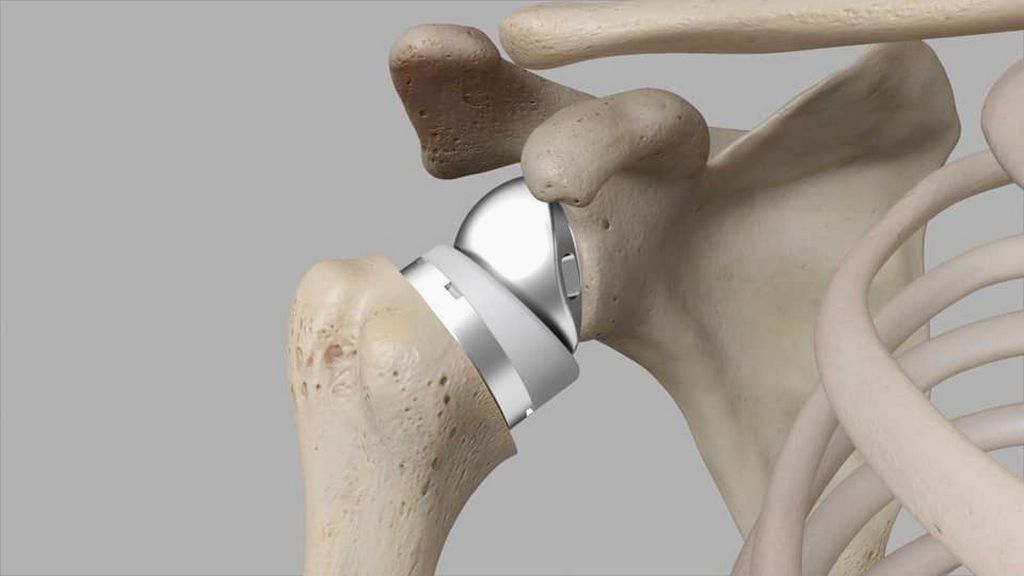
Shoulder Replacement Rehab: A Comprehensive Guide to Optimal Recovery Shoulder replacement surgery, also known as shoulder arthroplasty, is a procedure designed to relieve pain and restore function in shoulders affected by severe arthritis or injury. While this surgery can greatly improve quality of life, proper rehabilitation is crucial for achieving the best outcomes. In this comprehensive guide, we’ll explore the key aspects of shoulder replacement rehab to help patients navigate their recovery journey effectively. Understanding Shoulder Replacement Before delving into rehabilitation strategies, it’s important to understand the basics of shoulder replacement surgery. During the procedure, the damaged parts of the shoulder joint are replaced with artificial components made of metal, plastic, or ceramic. There are different types of shoulder replacement surgeries, including total shoulder replacement, reverse shoulder replacement, and partial shoulder replacement, each tailored to the patient’s specific condition. Post-Surgery Rehabilitation Timeline Rehabilitation following shoulder replacement surgery typically begins immediately after the procedure and continues for several months. The timeline may vary depending on the patient’s overall health, the type of surgery performed, and other individual factors. Here’s a general overview of the rehabilitation timeline: Immediate Postoperative Phase: In the initial days following surgery, the focus is on pain management, wound care, and gentle exercises to prevent stiffness and promote circulation. Early Rehabilitation Phase (Weeks 1-6): During this phase, patients gradually increase the range of motion in their shoulder through guided physical therapy exercises. Strengthening exercises for the surrounding muscles may also be introduced. Intermediate Rehabilitation Phase (Weeks 6-12): As the shoulder continues to heal, the emphasis shifts to further strengthening and stability exercises. Patients may also work on functional activities to improve daily living tasks. Advanced Rehabilitation Phase (Months 3-6): By this stage, most patients experience significant improvement in shoulder function. Therapy focuses on enhancing strength, endurance, and flexibility, with a gradual return to more demanding activities and sports-specific training if appropriate. Key Components of Shoulder Replacement Rehab Successful rehabilitation after shoulder replacement surgery involves a multidisciplinary approach and encompasses various strategies: 1. Physical Therapy: Working with a skilled physical therapist is essential for guiding patients through tailored exercise programs aimed at restoring range of motion, strength, and function in the shoulder. 2. Pain Management Effective pain management techniques, including medications, ice therapy, and modalities such as ultrasound or transcutaneous electrical nerve stimulation (TENS), help alleviate discomfort and facilitate rehabilitation progress. 3. Home Exercise Program Consistency is key to achieving optimal outcomes. Patients are encouraged to adhere to a prescribed home exercise program consisting of stretching and strengthening exercises to supplement in-clinic therapy sessions. 4. Lifestyle Modifications Adopting proper body mechanics and ergonomic practices can minimize stress on the shoulder joint and prevent future injuries. Patients may also benefit from weight management and smoking cessation to promote overall health and healing. 5. Patient Education Educating patients about the surgical procedure, expected recovery timeline, and potential complications empowers them to actively participate in their rehabilitation journey and make informed decisions. Conclusion Shoulder replacement surgery offers hope for individuals suffering from debilitating shoulder pain and dysfunction. However, successful outcomes rely heavily on diligent rehabilitation efforts. By following a comprehensive rehabilitation program tailored to their needs and guided by experienced healthcare professionals, patients can maximize their chances of achieving optimal recovery and returning to an active, pain-free lifestyle. At Fortis Hospital Mohali our team of orthopedic experts, including Dr. Ritesh Khokhar, is dedicated to providing personalized care and support throughout every stage of the shoulder replacement journey. For inquiries or appointments, please contact us at +91 7087274019 or visit our clinic at Fortis Hospital Mohali, Sector 62, Sahibzada Ajit Singh Nagar, Lamba, Punjab 160062. Your shoulder health is our priority, and we’re here to help you every step of the way. Featured Services Shoulder UK-USA trained orthopaedist. Elbow Arthritis causes elbow stiffness. Hip Hip strain stretches muscles. Knee ACL stabilizes knee joint. Ankle Ankle impingement pain.
Heel Pain Demystified: Causes, Symptoms, and Effective Solutions
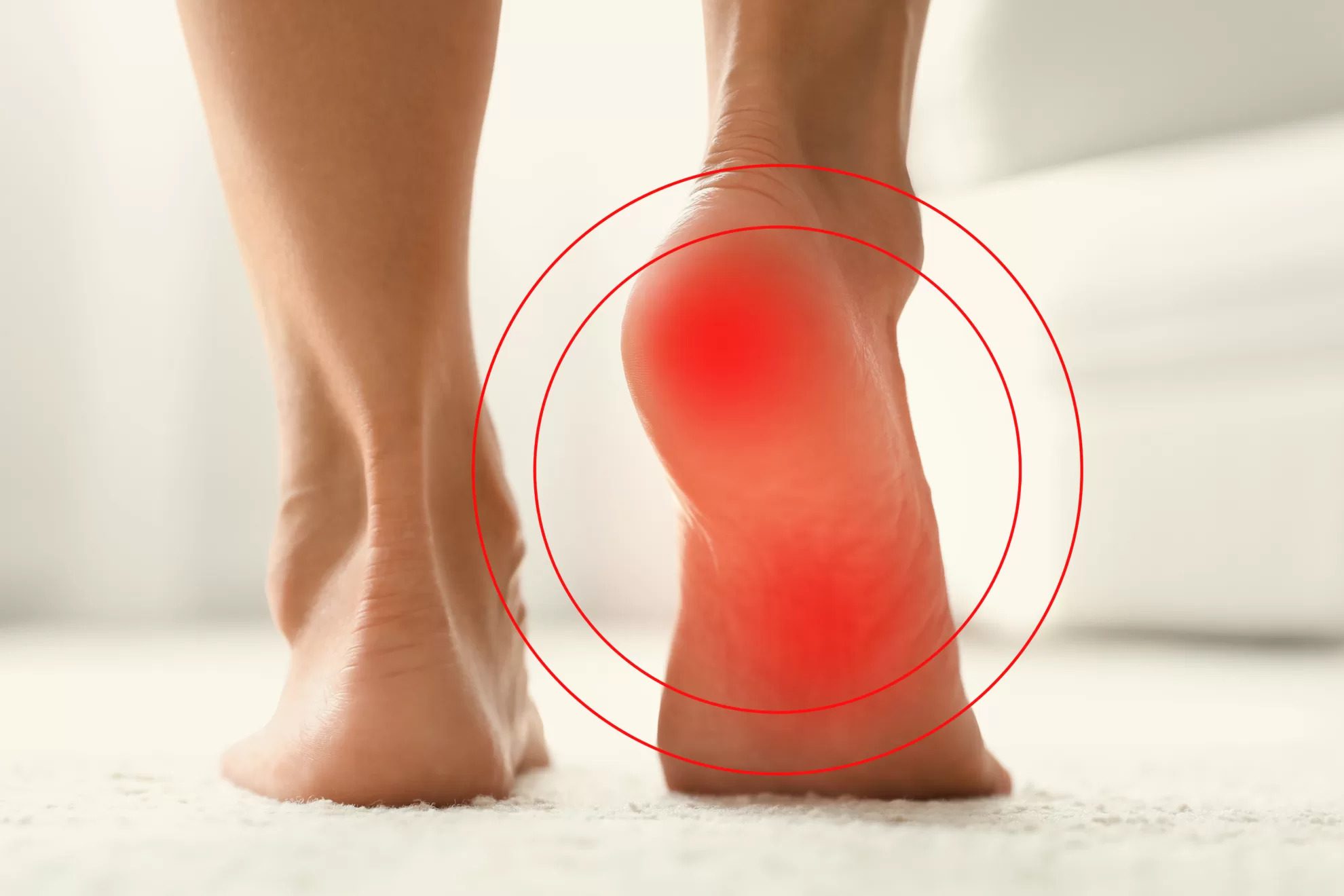
Heel Pain Demystified: Causes, Symptoms, and Effective Solutions Heel pain can be an incredibly debilitating condition, affecting individuals of all ages and activity levels. Whether you’re an athlete pushing your limits or someone who spends long hours on their feet at work, heel pain can significantly impact your daily life. As a renowned orthopedic surgeon with extensive training and expertise in treating various orthopedic conditions, including heel pain, I’m here to demystify this common ailment and shed light on its causes, symptoms, and effective solutions. Understanding Heel Pain Heel pain is often associated with inflammation of the tissues in the bottom of the foot, particularly the plantar fascia—a thick band of tissue that connects the heel bone to the toes. This condition, known as plantar fasciitis, is one of the most prevalent causes of heel pain. However, several other factors can contribute to heel discomfort, including: Achilles Tendinitis: Inflammation of the Achilles tendon, the large tendon that connects the calf muscles to the heel bone, can lead to pain and stiffness in the back of the heel. Heel Spurs: These are bony protrusions that develop on the underside of the heel bone, often resulting from chronic plantar fasciitis or excessive strain on the foot. Stress Fractures: Microscopic fractures in the heel bone, typically caused by repetitive stress or overuse, can cause localized pain and tenderness. Bursitis: Inflammation of the bursa, small fluid-filled sacs that cushion and lubricate areas where tendons or ligaments glide over bones, can occur in the heel, leading to pain and swelling. Recognizing the Symptoms: Heel pain can manifest in various ways, depending on the underlying cause. Common symptoms include: Sharp or stabbing pain in the bottom of the heel, especially with the first steps in the morning or after prolonged periods of rest. Tenderness and swelling in the affected area. Pain that worsens with activity or prolonged standing. Difficulty walking or bearing weight on the affected foot. Pain at the back of the heel that intensifies during physical activity. If you’re experiencing any of these symptoms, it’s essential to seek professional evaluation and treatment to prevent further complications and restore function. Effective Solutions for Heel Pain: As a leading orthopedic specialist, I offer a comprehensive range of treatment options tailored to each patient’s unique needs and goals. Some of the most effective solutions for heel pain include: Conservative Measures: These may include rest, ice therapy, stretching exercises, orthotic devices, and supportive footwear to alleviate symptoms and promote healing. Physical Therapy: Targeted exercises and manual techniques can improve flexibility, strength, and biomechanics, reducing strain on the heel and enhancing overall foot function. Medications: Nonsteroidal anti-inflammatory drugs (NSAIDs), corticosteroid injections, and other medications may be prescribed to reduce pain and inflammation. Shockwave Therapy: This non-invasive procedure delivers high-energy shockwaves to the affected area, stimulating healing and promoting tissue regeneration. Surgical Intervention: In severe cases where conservative measures fail to provide relief, surgical options such as plantar fascia release or heel spur removal may be considered to address underlying structural issues. At Fortis Hospital Mohali, we are committed to providing cutting-edge orthopedic care and personalized treatment plans to help our patients overcome heel pain and regain their mobility and quality of life. With my expertise and the support of our dedicated team, you can trust us to deliver the highest standard of care every step of the way. Don’t let heel pain hold you back any longer. Contact us today at +91 7087274019 to schedule a consultation and take the first step towards lasting relief and recovery. Remember, your feet are the foundation of your mobility—let us help you walk pain-free once again. Featured Services Shoulder UK-USA trained orthopaedist. Elbow Arthritis causes elbow stiffness. Hip Hip strain stretches muscles. Knee ACL stabilizes knee joint. Ankle Ankle impingement pain.
Plantar Fasciitis: A Comprehensive Guide to Understanding and Managing Heel Pain
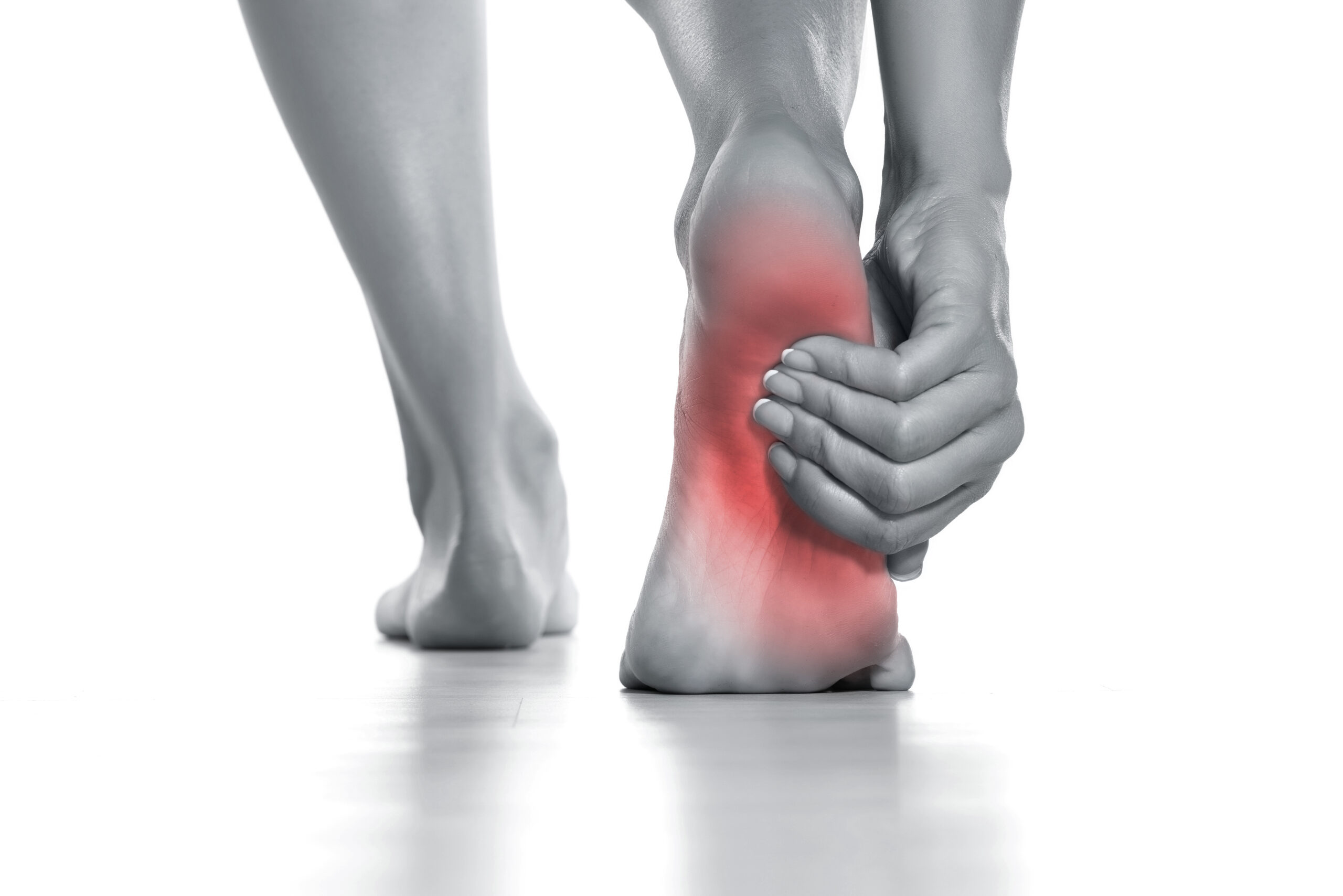
Plantar Fasciitis: A Comprehensive Guide to Understanding and Managing Heel Pain Heel pain can be a debilitating condition, affecting mobility and quality of life. One of the most common causes of heel pain is plantar fasciitis. Understanding this condition and how to manage it is crucial for patients seeking relief. As a leading orthopedic surgeon with expertise in treating plantar fasciitis, I am dedicated to providing comprehensive care and guidance to individuals suffering from this ailment. What is Plantar Fasciitis? Plantar fasciitis is a condition characterized by inflammation of the plantar fascia, a thick band of tissue that runs across the bottom of the foot, connecting the heel bone to the toes. This inflammation typically causes stabbing pain in the heel, particularly with the first steps in the morning or after prolonged periods of rest. Causes and Risk Factors While the exact cause of plantar fasciitis is not always clear, several factors may contribute to its development: Overuse: Repetitive activities such as running or walking long distances can strain the plantar fascia, leading to microtears and inflammation. Foot Structure: Flat feet, high arches, or abnormal walking patterns can place undue stress on the plantar fascia, increasing the risk of injury. Obesity: Excess weight can put additional pressure on the feet, exacerbating inflammation and pain. Improper Footwear: Wearing shoes with inadequate support or cushioning can contribute to the development of plantar fasciitis. Diagnosis Diagnosing plantar fasciitis typically involves a thorough physical examination, where the physician will assess the patient’s medical history and conduct tests to evaluate the extent of pain and tenderness. Imaging studies such as X-rays or ultrasound may also be ordered to rule out other potential causes of heel pain. Treatment Options Fortunately, plantar fasciitis can often be effectively managed with conservative treatments, including: Rest: Giving the affected foot adequate rest and avoiding activities that exacerbate pain can help facilitate healing. Ice Therapy: Applying ice packs to the heel several times a day can help reduce inflammation and alleviate discomfort. Stretching Exercises: Gentle stretching exercises targeting the calf muscles and plantar fascia can help improve flexibility and reduce tension. Orthotic Devices: Custom orthotic inserts or supportive footwear can provide added cushioning and stability, reducing strain on the plantar fascia. Physical Therapy: A structured physical therapy program may be recommended to strengthen the muscles of the foot and ankle and improve overall biomechanics. Medications: Nonsteroidal anti-inflammatory drugs (NSAIDs) or corticosteroid injections may be prescribed to help alleviate pain and inflammation in more severe cases. In cases where conservative treatments fail to provide relief, surgical intervention may be considered as a last resort. However, the majority of patients experience significant improvement with non-surgical measures alone. Prevention To reduce the risk of developing plantar fasciitis or experiencing recurrent episodes, it is essential to: Wear supportive footwear with adequate arch support and cushioning. Gradually increase the intensity and duration of physical activities to avoid overuse injuries. Maintain a healthy body weight to minimize pressure on the feet and lower extremities. Incorporate regular stretching and strengthening exercises into your daily routine to improve flexibility and muscle balance. Comprehensive Orthopedic Care At Fortis Hospital Mohali, we are committed to providing comprehensive orthopedic care to patients suffering from plantar fasciitis and other musculoskeletal conditions. With a focus on evidence-based treatments and personalized care plans, our team of experts strives to help individuals regain mobility, alleviate pain, and improve their overall quality of life. For more information or to schedule a consultation, please contact us at +91 7087274019. Let us help you take the first step towards a pain-free life. Seeking Professional Help If you’re experiencing persistent heel pain or suspect you may have plantar fasciitis, it’s essential to seek evaluation and treatment from a qualified orthopedic specialist like myself, Dr. Ritesh Khokhar. With my extensive training and experience in orthopedic surgery, I can provide a comprehensive assessment of your condition and recommend personalized treatment options tailored to your needs. At Fortis Hospital Mohali, we offer a complete range of orthopedic treatment services, including advanced diagnostics, conservative therapies, and surgical interventions, to help you overcome plantar fasciitis and regain mobility and comfort in your daily life. Don’t let heel pain hold you back any longer. Contact us today at +91 7087274019 to schedule a consultation and take the first step towards relieving your plantar fasciitis symptoms. Your journey to pain-free feet starts here! ————— This content is crafted to provide valuable information about plantar fasciitis while promoting your expertise and services in treating this condition. It emphasizes the importance of understanding the ailment, offers insights into its causes and risk factors, outlines diagnostic procedures and treatment options, and provides practical tips for prevention. Additionally, it highlights the comprehensive orthopedic care available at Fortis Hospital Mohali, positioning you as a trusted authority in the field. Featured Services Shoulder UK-USA trained orthopaedist. Elbow Arthritis causes elbow stiffness. Hip Hip strain stretches muscles. Knee ACL stabilizes knee joint. Ankle Ankle impingement pain.
Understanding Tennis Elbow: Causes, Symptoms, and Treatment Strategies
Understanding Tennis Elbow: Causes, Symptoms, and Treatment Strategies Tennis elbow, medically known as lateral epicondylitis, is a prevalent condition that affects millions of individuals worldwide. Despite its name, tennis elbow doesn’t only affect tennis players; it can occur in anyone who repetitively uses their forearm muscles, such as painters, plumbers, and carpenters. Understanding the causes, symptoms, and treatment strategies for tennis elbow is crucial for effective management and recovery. Causes Tennis elbow typically develops due to repetitive stress and overuse of the forearm muscles, leading to microtears in the tendons that attach to the lateral epicondyle of the humerus (the bony bump on the outside of the elbow). Activities such as gripping, lifting, twisting, or repetitive wrist movements can strain these tendons, causing inflammation and pain. Symptoms The primary symptom of tennis elbow is pain and tenderness on the outside of the elbow. This pain may radiate down the forearm and worsen with activities that involve gripping or wrist movement. Individuals with tennis elbow may also experience weakness in their grip strength and difficulty performing everyday tasks, such as shaking hands or turning a doorknob. Treatment Strategies Rest and Activity Modification: The first step in treating tennis elbow is often to rest the affected arm and avoid activities that exacerbate symptoms. Modifying activities to reduce strain on the forearm muscles can help promote healing. Ice Therapy: Applying ice packs to the affected area can help reduce inflammation and alleviate pain. Ice therapy is particularly effective when applied for 15-20 minutes several times a day. Physical Therapy: A tailored physical therapy program can help strengthen the muscles around the elbow, improve flexibility, and promote proper biomechanics. Therapeutic exercises, stretching, and manual techniques are often included in a comprehensive physical therapy regimen. Orthotic Devices: Using orthotic devices such as elbow braces or forearm straps can help alleviate strain on the affected tendons and provide support during activities. Medications: Nonsteroidal anti-inflammatory drugs (NSAIDs) like ibuprofen or naproxen may be recommended to reduce pain and inflammation associated with tennis elbow. Corticosteroid Injections: In some cases, corticosteroid injections may be administered directly into the painful area to reduce inflammation and provide temporary relief. Platelet-Rich Plasma (PRP) Therapy: PRP therapy involves injecting concentrated platelets from the patient’s own blood into the affected tendon to promote healing and reduce pain. Extracorporeal Shockwave Therapy (ESWT): ESWT delivers shockwaves to the affected area, stimulating blood flow and promoting tissue regeneration, which can help alleviate pain and improve function. Conclusion Tennis elbow can significantly impact daily activities and quality of life for affected individuals. By understanding the causes, symptoms, and treatment strategies for tennis elbow, patients can take proactive steps to manage their condition effectively. Seeking prompt medical attention and following a comprehensive treatment plan, tailored to individual needs, can facilitate a faster recovery and return to normal function. If you are experiencing symptoms of tennis elbow or have concerns about your elbow health, consulting with an orthopedic specialist is advisable. At Fortis Hospital Mohali, we offer a complete range of orthopedic treatment services, including the diagnosis and management of tennis elbow. Dr. Ritesh Khokhar, with his extensive training and expertise in orthopedic surgery, is dedicated to providing personalized care and effective treatment strategies to help patients regain mobility and alleviate pain. For more information or to schedule an appointment, please contact us at +91 7087274019. We are committed to promoting musculoskeletal health and improving the quality of life for our patients. Featured Services Shoulder UK-USA trained orthopaedist. Elbow Arthritis causes elbow stiffness. Hip Hip strain stretches muscles. Knee ACL stabilizes knee joint. Ankle Ankle impingement pain.